Great Eastern Wine Week | 22–25 October 2026
Sip. Stay. Explore.




ABOUT
The East Coast – People, Place & Wine
The East Coast of Tasmania is more than award-winning wine and incredible scenery — it’s the people behind it all that make this region truly special.
Across the coast, vineyard owners, growers, winemakers, chefs, tourism operators, oyster farmers, accommodation providers and local businesses work together to create not only exceptional wine, but memorable experiences.
It’s a region built on community, where neighbouring vineyards support one another, stories are shared across cellar doors and visitors are welcomed like old friends.
From pouring wines and sharing stories at the cellar door to long lunches, harvest celebrations and experiences among the vines, the East Coast is a collection of passionate people proud to share the place they call home.
East Coast Tasmania
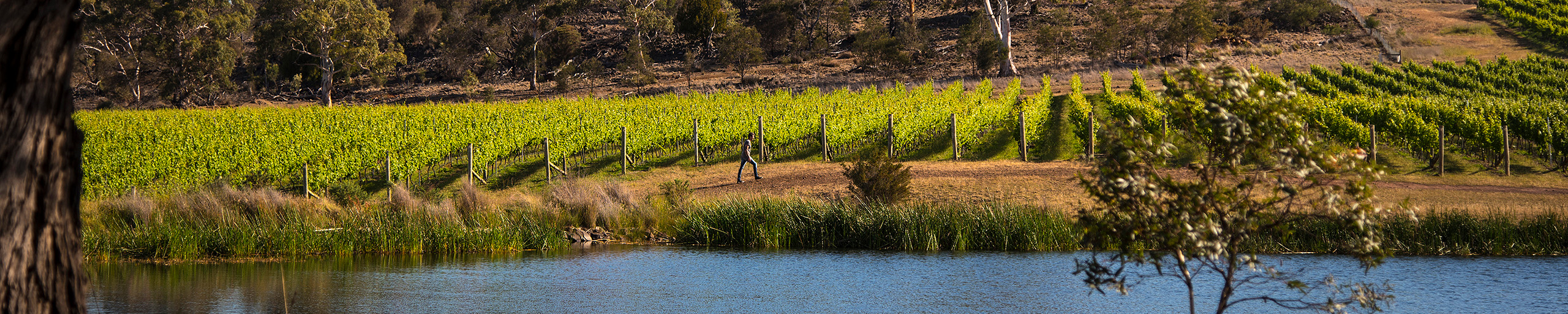
Stretching from Orford in the south to St Helens in the north, the East Coast Wine Trail winds through more than 220 kilometres of one of Australia’s most spectacular coastal landscapes.
Think white-sand beaches, turquoise waters, rolling vineyards, historic towns and hidden gems around every corner. A drive along the East Coast is more than simply getting from one destination to another — it’s about discovering local stories, exceptional food and wine, and places you’ll want to return to again and again.
Known as one of Tasmania’s premier cool-climate wine regions, the East Coast produces exceptional Pinot Noir, Chardonnay, Riesling and Pinot Gris, alongside an increasingly diverse collection of varieties and wine styles.
Pair that with freshly shucked oysters, local seafood and produce, passionate makers and cellar doors with views almost as memorable as the wine itself, and you begin to understand what makes this part of Tasmania so special.

HISTORY
The East Coast’s connection with wine stretches back more than 180 years, with a history of growers, pioneers and passionate people who recognised the potential of this remarkable part of Tasmania.
The story began in 1833, when early Falmouth settler William ‘Dollar’ Steel planted a small vineyard on his farm. Although Steel died soon after, his son continued to tend the vines, which were still flourishing nearly twenty years later. By the 1880s, farmers around Swansea were reportedly producing wine and selling it in Hobart.
Around the same time, Angelo Bernacchi embarked on one of Tasmania’s most ambitious early viticultural ventures at Darlington on Maria Island. Convinced of the area’s potential, by 1886 he claimed to have around 40 acres under vine and more than 50,000 vines planted or growing in his nursery. While the venture was ultimately short-lived, Bernacchi was an enthusiastic early advocate for the possibilities of East Coast wine.
The foundations of the modern East Coast wine industry began taking shape in the 1970s. Bob Menary planted vines at Bream Creek in 1972 with support from Claudio Alcorso, followed in 1979 by John Austwick at Craigie Knowe near Cranbrook and Geoff and Susan Bull at Freycinet Vineyard.
These pioneering vineyards recognised what the East Coast had to offer — a unique combination of climate, soils, landscape and proximity to the sea capable of producing exceptional cool-climate wines.
Today, the region is home to around 22 vineyards producing almost 100 unique wines, with a growing community of growers and winemakers each bringing their own approach, personality and story to East Coast wine.
Together, they continue to build on the work of those early pioneers while shaping an exciting future for one of Tasmania’s most distinctive wine regions — more than 180 years after the first vines were planted.
CLIMATE & SOIL
The East Coast is one of Tasmania’s warmest and driest wine-growing regions, benefiting from relatively low rainfall, abundant sunshine and long, gentle growing seasons.
Warm days and cool evenings allow grapes to ripen slowly, developing flavour and complexity while retaining the natural acidity that is so important to Tasmania’s cool-climate wines.
Across the region, changing soils, elevations and proximity to the coast create distinct growing conditions from vineyard to vineyard.
The result is wines known for their elegance, balance and sense of place — shaped by the landscape, the seasons and the people who grow and make them.